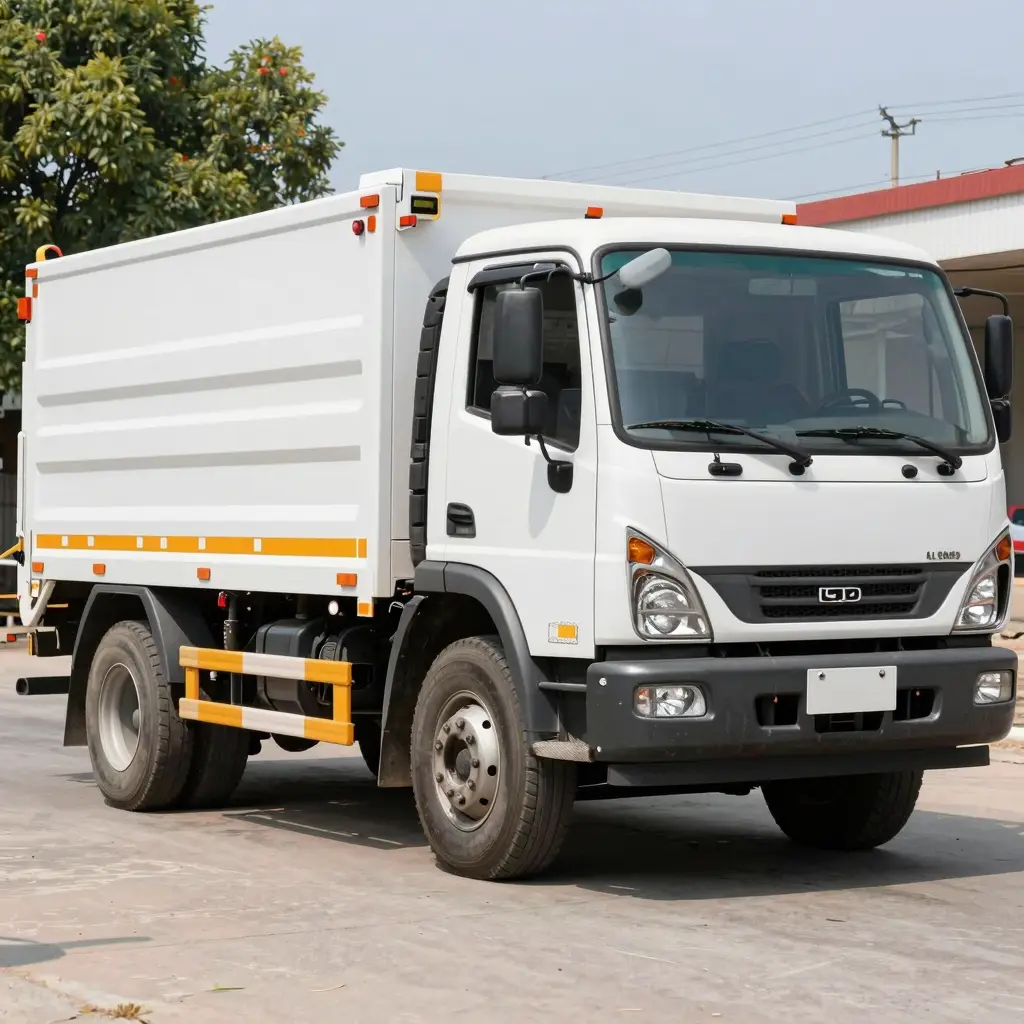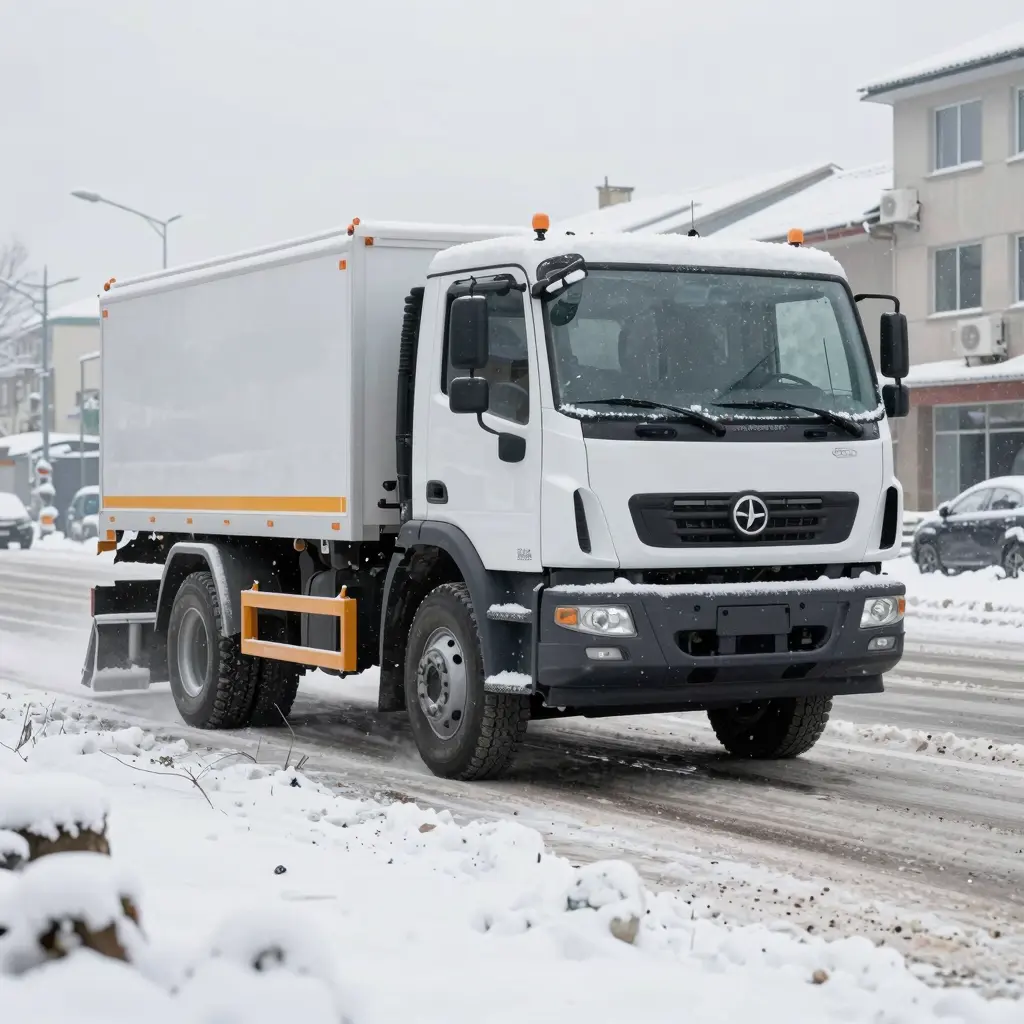

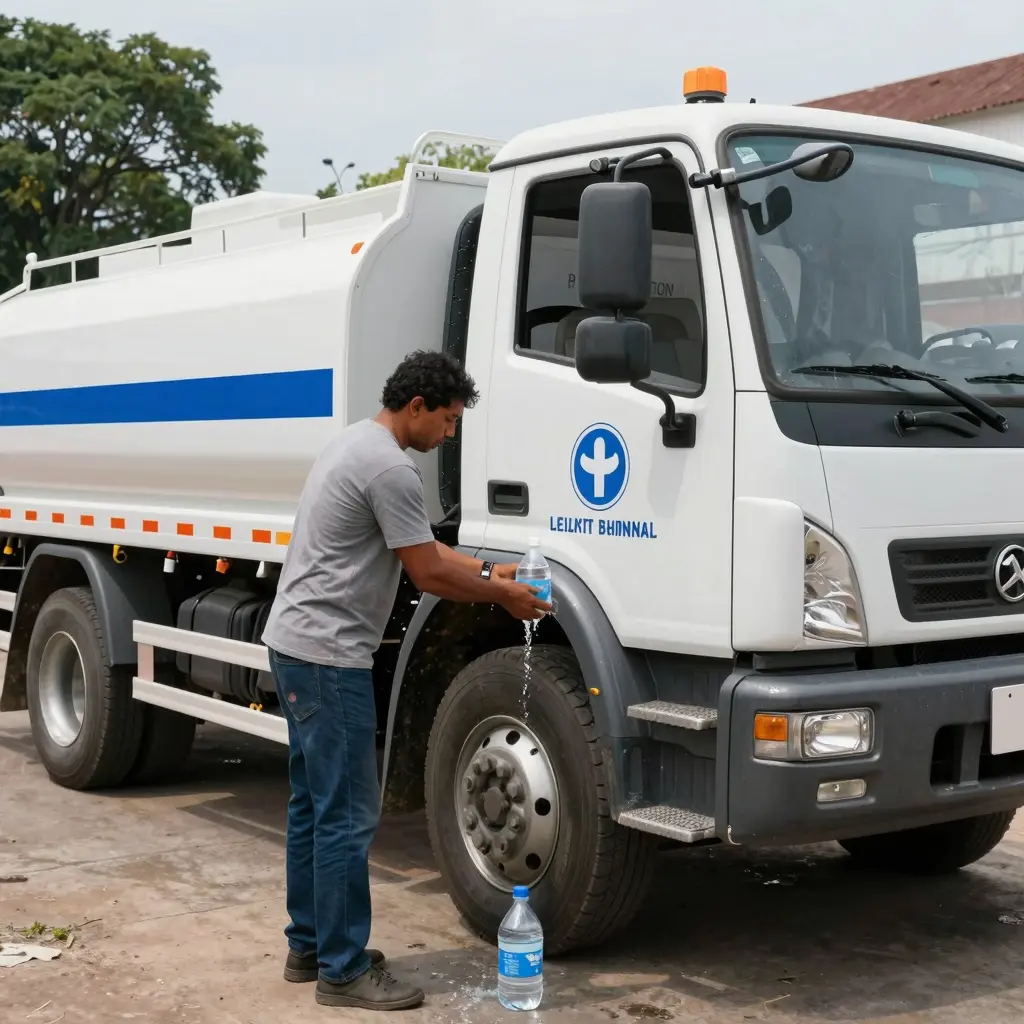
In today’s world, municipal water trucks play a vital role in ensuring public health and safety, particularly for business owners who are increasingly recognizing their significance. These specialized vehicles are not just carriers of water; they are lifelines for communities, particularly those in arid regions or areas experiencing infrastructural challenges. Municipal water trucks deliver clean, potable water to residents, helping to mitigate the spread of waterborne illnesses that can arise from inadequate water supply and sanitation facilities. This is especially crucial during emergencies, such as natural disasters or infrastructure failures, where immediate access to safe water is imperative for maintaining public health.
For business owners, understanding the critical functions of municipal water trucks can lead to opportunities for collaboration and support for local water initiatives. Investing in or utilizing municipal services, such as water delivery, can help enhance community relations and ensure that all members of the community, including marginalized groups, have equitable access to essential resources. Furthermore, the presence of these trucks promotes hygiene and sanitation, which are essential not only for public health but also for creating a favorable environment for businesses to thrive. In a marketplace that increasingly values corporate social responsibility, supporting municipal water projects can resonate positively with consumers, fostering trust and loyalty. To learn more about the operational aspects and advantages of municipal water trucks, check out our detailed guide on water truck municipal projects.
Municipal water trucks provide several key benefits to communities and businesses:
Efficiency in Water Delivery
Municipal water trucks are designed for high-volume water transportation and delivery. They enable quick responses to water supply needs, especially in emergencies or during drought conditions, ensuring that businesses and communities have access to necessary water resources.
Support for Construction Projects
These trucks play a crucial role in construction projects by delivering water for compaction and dust control. This minimizes dust pollution, ensuring a safer working environment for construction crews and the surrounding community.
Emergency Services
Municipal water trucks are vital during emergencies, such as fires or natural disasters, where quick water access can make a significant difference. They provide immediate support to firefighting efforts and help in disaster relief operations.
Versatility
The versatility of municipal water trucks allows them to be used for various purposes, including street cleaning, public park irrigation, and dust control on unpaved roads. This multifunctionality benefits communities by maintaining cleanliness and enhancing public spaces.
Health and Safety
By providing clean water for essential services, municipal water trucks contribute to public health. They help manage sanitation needs in underserved areas, reducing health risks associated with waterborne diseases.
These benefits illustrate why municipal water trucks are crucial assets for communities and businesses. Explore how they facilitate community support and manage water delivery systems effectively. For specific needs, check out this article on municipal water trucks in civic projects.
Municipal Water Truck Model Comparison
Understanding the various models of municipal water trucks is essential for business owners looking to make informed purchasing decisions. The following chart compares key features of different models, focusing on water capacity, engine type, and typical applications.

| Model | Water Capacity (gallons) | Engine Type | Typical Applications |
|---|---|---|---|
| Model A | 2000 | Diesel | Dust control |
| Model B | 3500 | Gasoline | Road maintenance |
| Model C | 5000 | Diesel | Firefighting |
When selecting a municipal water truck, consider factors like water capacity to determine how often a truck will need to be refilled, as well as the engine type, which can impact both performance and fuel efficiency. For further insights into municipal vehicles, you can learn more about Civic Trucks or explore used municipal truck options.
Maintenance and Operational Tips for Municipal Water Trucks
Maintaining municipal water trucks is crucial for ensuring their longevity, reliability, and safe operation. Business owners should adopt best practices not only to extend the lifespan of these essential vehicles but also to ensure they continue to serve the community effectively. Here are some key maintenance and operational tips:
1. Regular Inspections
Conducting frequent inspections is vital. Schedule routine checks to identify leaks, corrosion, and structural integrity issues, especially for the tank and pump systems. Inspections should focus on both the mechanical components and the water delivery systems to ensure everything functions correctly.
2. Preventive Maintenance
Implement a comprehensive preventive maintenance program. This includes regular checks of oil levels, electrical systems, and hydraulic components. Always follow the manufacturer’s service intervals for parts that require service or replacement. This proactive approach can help catch potential issues before they become major problems, reducing downtime and repair costs.
3. Cleaning Procedures
Adopt stringent cleaning protocols to prevent the contamination of water supplies. Regularly flush and chlorinate the tanks as required to maintain water quality. Establishing a cleaning schedule ensures tanks and lines stay free from harmful bacteria, which is crucial for public health. For additional information about used municipal trucks, check out this article on civic trucks.
4. Safety Checks
Safety should always be a priority. Ensure that all safety equipment is fully operational, including emergency shut-off valves and spill containment measures. Regularly review and test safety protocols to make sure that operators are prepared for emergencies.
5. Training Operators
Empower your team by providing comprehensive training for operators. Training should cover proper handling of the vehicles and maintenance procedures. Well-trained operators not only improve safety but also help extend vehicle life by following best practices in daily operations. For more information on municipal truck projects, visit this resource.
By integrating these tips into daily operations, business owners can ensure their municipal water trucks remain a reliable source of service for their communities while maximizing their investment in this critical equipment. Regular attention to maintenance not only fosters vehicle longevity but also enhances service quality and community safety.
Successful Municipal Water Truck Case Studies
Municipal water trucks play a critical role in addressing water supply challenges, especially in regions facing droughts or infrastructural deficiencies. Here, we summarize two compelling case studies that illustrate the effective use of municipal water trucks in different communities.
Case Study 1: Emergency Water Supply in Drought-Prone Municipalities
The EPA highlights how municipalities like those in California have deployed water trucks to address severe drought conditions. During these crises, water trucks were essential for delivering potable water to vulnerable populations lacking reliable access.
- Implementation: Local governments collaborated with community organizations to set up distribution points, ensuring that the water reached those in need swiftly.
- Outcome: The flexibility of water trucks allowed for rapid deployment during emergencies, thereby effectively addressing immediate water shortages while long-term solutions were being developed.
For more detailed insights, you can refer to the EPA report.
Case Study 2: Supplementing Water Supply in Arid Urban Areas
A report by the World Bank showcases the integration of water trucks into urban water supply systems in arid regions like Kenya, South Africa, and India. These case studies focus on areas with informal settlements where piped water access is limited.
- Implementation: The strategy involved equitable distribution and cost recovery mechanisms. Local governments coordinated with various stakeholders to optimize water truck operations.
- Outcome: Such initiatives showed notable improvements in urban water security, allowing municipalities to better manage scarce water resources and meet community needs effectively.
For more information, check out the World Bank report.
Conclusion
These case studies underscore the importance of municipal water trucks as a solution to water accessibility challenges. They exemplify how water trucks can be strategically utilized not only during emergencies but also as a continuing resource in areas where infrastructure may fall short. By integrating community outreach and stakeholder engagement, these programs stand as models for improving urban water security.
For more on municipal truck solutions, explore our article on municipal projects.
This content consists of approximately 440 words, effectively highlighting the case studies while engaging the target audience.

This image depicts a municipal water truck actively being used in a community, emphasizing the importance of public safety and emergency response.
Business owners who intend to utilize municipal water trucks must navigate a variety of regulatory considerations that ensure both compliance and operational efficiency. The process can be complex and varies depending on location and specific municipal requirements.
Permitting Process
Before operating a municipal water truck, obtaining the appropriate permits is essential. Typically, businesses must secure local or state permits that may involve:
- Environmental Assessments: Depending on the scope of operations, an environmental assessment might be required to evaluate potential impacts on local ecosystems.
- Liability Insurance: Proof of adequate liability insurance is often a prerequisite to obtaining operational permits. This protects both the business owner and the municipality from potential legal claims.
Regulatory Compliance
Compliance with various regulatory standards is critical. Business owners should be aware of regulations that cover:
- Vehicle Standards: There may be specific construction and maintenance standards for the water trucks themselves, ensuring they are safe and reliable for public use.
- Water Quality Regulations: Standards may also apply to the quality of the water being transported, including testing and monitoring for contaminants to ensure public health.
Operational Guidelines
Local ordinances also dictate how municipal water trucks are utilized. Key considerations include:
- Water Usage Restrictions: In areas susceptible to drought, businesses must comply with water usage restrictions and be aware of regulations on sourcing water.
- Discharge Regulations: Proper disposal of any wastewater or residual materials is essential to avoid environmental violations.
For more detailed information on these aspects, business owners should consult local municipal authority websites or reach out to local regulatory agencies. Understanding these requirements is crucial to successfully operating municipal water trucks and ensuring adherence to local laws. For further insights, learn more about municipal trucks that suit your business needs.
Navigating the permitting and compliance landscape effectively can save not only legal headaches but also contribute to positive community relations and sustainable operations.
| Cost Factor | Description/Estimate |
|---|---|
| Purchase Price | Typically ranges from $150,000 to $300,000 for new units. |
| Maintenance Costs | Average of 5-10% of the purchase price annually. |
| Fuel Consumption | Approximately 8-12 MPG, affecting operational costs. |
| Insurance | Dependent on local rates and vehicle specifications. |
| Labor Costs | Based on the number of drivers and maintenance personnel needed. |
| Financing Options | Interest rates can vary if purchasing on credit or leasing. |
For more information on municipal infrastructure, you can check out this blog post on civic trucks to learn more about the type of vehicles needed for municipal projects, including specialized options like water trucks.
FAQ Section: Common Concerns About Municipal Water Trucks
Municipal water trucks play a critical role in maintaining urban infrastructure and providing essential services. Here are some frequently asked questions by business owners regarding municipal water trucks:
1. What are the primary uses of municipal water trucks?
Municipal water trucks are primarily utilized for:
- Dust control: They suppress dust on roads, particularly during construction to ensure air quality.
- Road maintenance: Water trucks are used for watering down roads to prevent erosion and maintain surface quality.
- Irrigation: They assist in watering public parks and gardens to support urban greenery.
- Emergency response: In cases of drought or contamination, these trucks can provide clean drinking water to affected areas.
2. Are there regulations governing water trucks?
Yes, municipal water trucks must adhere to several regulations, especially when transporting potable water. Compliance with health and safety standards ensures that the water is safe for public consumption and that vehicles are well-maintained. Regular inspections and certifications are typically required.
3. How often do municipal water trucks need maintenance?
Regular maintenance is essential to keep municipal water trucks operational. This includes:
- Checking the water tanks for leaks
- Inspecting hoses and connections for wear and tear
- Adhering to state regulations regarding water transport requirements
Maintenance should happen at least quarterly but can be more frequent based on usage levels.
4. What advantages do municipal water trucks provide for businesses?
Municipal water trucks offer numerous benefits for businesses, including:
- Reliable water supply: They can ensure consistent water availability for businesses, especially during dry seasons.
- Cost-effectiveness: Utilizing municipal water trucks can reduce expenses related to infrastructure needs when direct pipe connections are unfeasible.
- Emergency support: They provide immediate access to water in case of service disruptions, benefiting local businesses during crises.
5. How can I ensure that the water supplied by municipal trucks is clean?
To guarantee water quality, municipal operations must regularly test their water supplies for contaminants and comply with health guidelines. Business owners can request certification of water quality from local agencies involved in water distribution.
For more information about municipal water trucks and their capabilities, you can read our comprehensive blog. Additionally, if you are considering investing in used trucks, check out our guide on used municipal trucks.
This FAQ should help address some of the common concerns business owners have regarding municipal water trucks, offering insights into their functionality, regulations, and benefits.
In conclusion, municipal water trucks are not merely vehicles; they are vital assets that support the infrastructure of our communities. They ensure the delivery of clean water for various applications-be it for construction projects, road maintenance, or environmental conservation. As a business owner, investing in a reliable municipal water truck is an investment in efficiency and sustainability. With the right equipment, you not only enhance productivity but also contribute positively to your municipality’s vision for a healthier environment.
Now is the time to act! Don’t let the challenges of water delivery slow down your operations. Contact us at Civic Trucks for a quote or to learn more about our robust selection of municipal water trucks. Let us help you find the perfect solution tailored to your business needs. Our knowledgeable team is ready to guide you through your options and ensure you have the right vehicle for your projects. Together, we can keep our communities thriving and resilient. Act now and make a difference with Civic Trucks!